Number of rooms
300+ roomsAbout 6 storeys
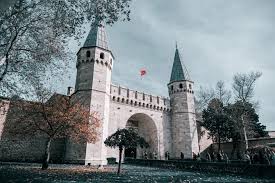
More than 300 rooms, corridors lined with Iznik tiles and the power of the Queen Mother: everything you need to know before exploring the Harem, the most intimate part of the palace.
Independent guide — this is not the official website ⓘ
A hand-picked set of experiences related to this page, bookable online.
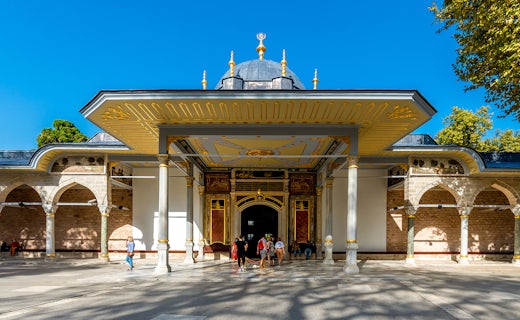
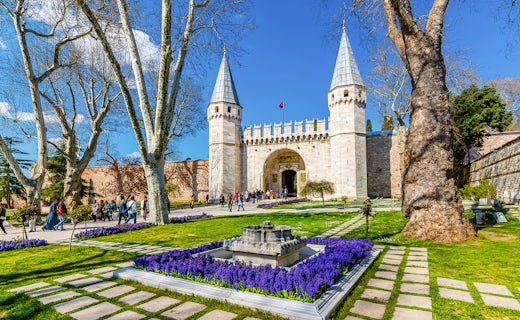

The Harem is the most intimate part of Topkapi Palace: the private residence where the sultan and his family lived, sealed off entirely from the outside world. The word comes from the Arabic root "haram", meaning "forbidden, inviolable" — in other words, a sacred space that could not be entered without permission. This was not a place of luxury or entertainment, but the home of the imperial dynasty.
If the palace is where a state was governed, the Harem is where the family that governed that state actually lived. It is a labyrinth of more than 300 rooms, baths, prayer rooms, kitchens and courtyards spread across roughly six storeys. The Iznik tiles that fill its corridors are even more lavish than those in the rest of the palace.
The Harem is the section most visitors point to at the end of their visit as the one that moved them most. The reason is not only its beauty; it is the power struggles, the mother-and-son relationships and the true story of the palace that played out behind these walls.
| Topic | Detail |
|---|---|
| Number of rooms | More than 300 rooms, about 6 storeys |
| Ticket | Included in the 2,750 ₺ combined ticket (no separate ticket needed) |
| Entrance | In the 2nd Court, with its own separate turnstile |
| Müzekart status | The Müzekart does NOT cover the Harem — a combined ticket is required |
| Quietest hour | At opening (09:00–10:00) or close to closing time |
Ticket and coverage information is based on official data from millisaraylar.gov.tr; please verify before your visit.
The Harem is an organic structure that grew over the centuries, with rooms added during the reign of each sultan. That is why it cannot be reduced to a single plan: narrow corridors, sudden staircases, small courtyards and rooms opening into one another form a labyrinth. The visitor route covers only part of this maze.
The Iznik tiles covering the walls, the gilded ceilings and the mother-of-pearl inlaid doors make it instantly clear that this was no ordinary residence. Every room has a function, and most have a story too. I'd suggest taking your time, looking up at the ceilings and across the tile panels as you go.
Thinking of the Harem as merely a "company of concubines" is a great mistake. This was a large dynastic household run with strict hierarchy and order. Its principal residents were:
The Harem therefore operated as a school, a palace administration and a family home all at once. The internal hierarchy was so pronounced that even each woman's room was positioned according to her status.
These are the sections you should not miss along the Harem's visitor route:
Iznik tiles are everywhere in the Harem, but the Twin Kiosks and the Imperial Hall show the very pinnacle of this tile art. Spend a little extra time in these two rooms.
Tile detail: The blue-and-white Iznik panels in the Twin Kiosks are among the best-preserved examples of 16th–17th-century tilework. Look at the hand-painted decoration on the ceilings too — most visitors focus only on the walls and miss what's above. This is one of the most photographed interiors in the Harem.
When people think of the Harem, women usually come to mind; yet the running of this world was largely in the hands of the Darüssaade ağaları, the eunuchs of the Harem. They were responsible for its security, its order and its communication with the outside world.
At their head stood the Chief Black Eunuch (Darüssaade Ağası), who ranked just after the Grand Vizier in protocol and was one of the most influential figures in the state. His direct access to the sultan and the Valide Sultan made him one of the most powerful figures in the palace. Major responsibilities, such as the administration of pious foundations, also frequently fell under his charge.
These officials were the only bridge between the Harem and the outer palace. As you tour the Harem, remembering that this world was not only lived in but also meticulously administered as an institution will let you see the rooms you pass through in a completely different light.
Historians call the period from the mid-16th to the mid-17th century the "Sultanate of Women". In this era, Valide Sultans and haseki sultans grew powerful enough to influence state policy directly. The Harem turned from a residence into a centre of politics.
When you tour with these names in mind, you'll better understand why the Apartments of the Valide Sultan are the most magnificent part of the Harem. Every room here witnessed decisions that, for a time, shaped the fate of an entire empire.
Popular culture often portrays the Harem incorrectly. Let's set the record straight under a few headings:
The Harem, then, was not a fantasy; it was a centre of power that shaped the future of the Ottoman state. When you read the palace's history, this connection becomes much clearer.
The good news: you don't need to buy a separate ticket to visit the Harem. The Harem is included in the 2,750 ₺ combined ticket (Palace + Harem + Hagia Irene). One ticket lets you see them all.
But pay attention to two points:
The İstanbul Museum Pass (the 5-day tourist card), on the other hand, covers Topkapi and the Harem with a skip-the-line advantage. We've compared in detail which card unlocks what on our ticket prices page. To see the palace's sections and visiting route, take a look at our sections page too.
| Ticket / card | Harem included? |
|---|---|
| Combined ticket (2,750 ₺) | Yes — Harem included |
| Müzekart (annual) | No — Harem excluded |
| İstanbul Museum Pass (5 days) | Yes — skip-the-line included |
| Guided tour ticket | Yes — the guide explains the Harem |
Coverage can change; confirm the current situation via the official millisaraylar.gov.tr.
Quietest hour: The Harem is a section where tours concentrate in the middle of the day. The most comfortable time to visit is the first hour, right after the palace opens at 09:00. The second-best option is the hours close to closing. The palace is closed on Tuesdays; Mondays and Wednesdays are the busiest days.
To think of the Harem only through its magnificent rooms is to miss half the picture; it was also a working institution. Concubines went through a specific education, learning reading and writing, music, sewing, etiquette and palace protocol. The talented ones could rise to become stewards, treasurers or close attendants of the Valide Sultan.
The day ran to a strict order: prayer times, mealtimes, bath days and lessons were all fixed. Hierarchy was reflected in every detail; even a concubine's room, clothing and salary were determined by her status. At the top stood the Valide Sultan, beneath her the hasekis and consorts, and at the bottom the newly arrived novices.
When you tour with this order in mind, the Harem's narrow corridors and small rooms suddenly take on meaning: every corner was designed to preserve this delicate balance. Imagine, behind the rooms you see, a living community of hundreds of people going about their daily lives.
Toured without a narrator, the Harem remains just "beautiful tiles and rooms". Yet the real richness is in the story: which Valide Sultan lived in which room, where the name of the Golden Road comes from, how the Sultanate of Women began? These stories transform the place into something else entirely.
My personal view: for a first visit I recommend either a good audio guide or an expert guided tour for the Harem. Because most of the rooms look plain, it's very easy to miss their value without commentary. Another advantage of a guided tour is that it makes it easier to find your way through the crowded labyrinth and to stop at the most important rooms.
If your budget is tight, at least read a short history of the Harem at the entrance; every room you see inside will then take on meaning.
One more practical advantage: because most guided groups tour the Harem at set times, those visiting without a guide can comfortably get ahead of the crowds by slipping in at opening time. So whether you come with a guide or on your own, getting the timing right is the single most important factor shaping your Harem experience. The right hour, the right ticket and a little prior reading — that's the only formula you need to make the Harem unforgettable.
The Harem was not originally part of Topkapi. In the early period the imperial family lived in what is today the Old Palace (Saray-ı Atik) in Beyazıt. The move of the Harem to Topkapi happened gradually in the 16th century, and the era of Hürrem Sultan played an important part in this process.
As the Harem settled here over time, each sultan added new rooms, baths and apartments during his reign. That is precisely why the Harem has no single architectural plan; it is an organic structure that grew over the centuries, layer upon layer. As you tour it, you can notice these differences in style, the changing tile and decorative styles as you move from one room to the next.
When the palace moved to Dolmabahçe in 1856, the Harem largely lost its function as well. You can find the story of the palace as a whole on our history page; reading the Harem within that context makes your visit far more meaningful.
With its narrow corridors and staircases, the Harem calls for a patient visit. A few reminders:
After seeing the Harem, moving on to the Treasury and the Sacred Relics in the 3rd Court is a natural route. You can find the whole route and the timings on our sections page. I'd suggest making the Harem — Topkapi's most intimate and most striking corner — the centrepiece of your visit; because while the rest of the palace tells the story of the state, the Harem tells the story of the people who governed it.
The Harem doesn't require a separate ticket; it is included in the 2,750 ₺ combined ticket (Palace + Harem + Hagia Irene). A single ticket lets you visit the Harem too. For the current price, verify on the official millisaraylar.gov.tr site.
No. The annual Müzekart is valid for the palace courtyards and the Treasury, but it does not cover the Harem or Hagia Irene. To visit the Harem you need a combined ticket or the İstanbul Museum Pass.
The sultan's family: his mother (the Valide Sultan), his wives (hasekis/consorts), his children (princes and princesses), the concubines being educated and the eunuchs (Darüssaade ağaları) who ran the Harem. It was a large dynastic household operating under a strict hierarchy.
The Harem consists of more than 300 rooms and is roughly six storeys high. The visitor route covers a selected portion of these rooms; the Apartments of the Valide Sultan, the Imperial Hall and the Twin Kiosks are the highlights.
The quietest time is the first hour right after the palace opens at 09:00. Tours concentrate in the middle of the day. The palace is closed on Tuesdays; Mondays and Wednesdays are the busiest days. Tip: if you enter the Harem first and then move on to the Treasury, you'll have seen both busy sections while they're still calm.
Not essential, but recommended. Because most of the rooms look plain, the real value is hidden in the story. A good audio guide or an expert guided tour makes the Harem far more meaningful and makes it easier to find your way through the labyrinth.
We recommend allowing 45–60 minutes at a relaxed pace. If you want to stop at highlights such as the Apartments of the Valide Sultan, the Imperial Hall and the Twin Kiosks to look at the tiles and ceiling decoration, the time can stretch a little. After seeing the Harem, moving on to the Treasury in the 3rd Court and the Sacred Relics is a natural route.
Book your skip-the-line entry ticket online and save hours of queuing.